Olive Oil vs Rapeseed Oil: Which to Use for Frying, Baking and Dressings
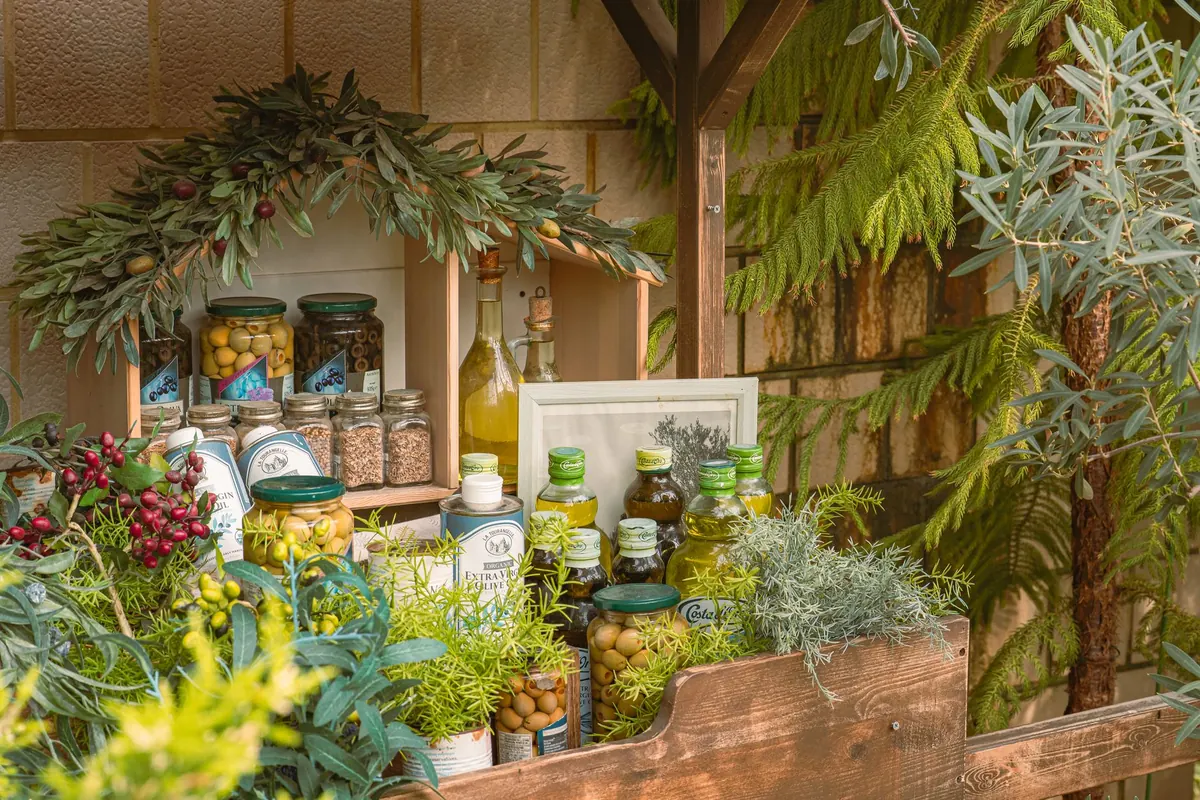
Open most kitchen cupboards and you'll find a bottle of olive oil. More and more often, there's a bottle of rapeseed oil beside it. Both are golden, both pour easily, and both get used for everything from roasting potatoes to whisking a vinaigrette. They are not interchangeable. One can be fruity and peppery enough to spoon over a plate of tomatoes; the other is mild, inexpensive and content in a very hot pan. Knowing which is which saves money and makes better food.
What's Actually in Each Bottle
Olive oil comes in grades, and the grade matters more than the brand. Extra virgin olive oil is pressed from olives without chemical refining, so it keeps its colour, aroma and characteristic bitterness. "Pure", "classic" or "light" olive oil is a blend of refined oil with a small amount of virgin oil — paler, milder and more tolerant of heat. If the label doesn't say extra virgin or virgin, you're almost certainly buying the refined sort.
Rapeseed oil is pressed from the seed of the rape plant, a brassica related to mustard and cabbage. In the UK and Ireland it's sold as rapeseed oil; in North America, the culinary oil from these varieties is usually labelled canola. Cold-pressed rapeseed is deep gold with a mild, nutty flavour. Refined rapeseed is pale and almost neutral — the kind sold in large bottles for frying.
Both are high in monounsaturated fat and lower in saturated fat than butter, lard or coconut oil. That's roughly where the similarities end.
Smoke Points, Without the Panic
The smoke point is the temperature at which an oil begins to break down and give off visible smoke. Push past it and the oil turns acrid, and the food tastes of the pan rather than the ingredients. Approximate figures, which vary by brand and batch:
- Extra virgin olive oil: around 190–210°C / 375–410°F
- Cold-pressed rapeseed oil: around 200–220°C / 390–430°F
- Refined ("light" or "pure") olive oil: around 230–240°C / 445–465°F
- Refined rapeseed oil: around 230–240°C / 445–465°F
Two caveats. First, a domestic pan rarely sits at a steady 240°C for long, so the difference between cold-pressed rapeseed and a refined oil matters less than the internet suggests. Second, freshness counts for as much as the headline number. An oil that has been open for a year, or that has already fried two batches of chips, will smoke earlier than a new bottle of the same product.
For deep frying, aim for around 175–190°C — hot enough to crisp, cool enough not to burn. If a cube of stale bread dropped in starts colouring almost immediately, turn the heat down and wait a minute.
Flavour: The Real Divide
Olive oil
Flavour ranges from soft and buttery to aggressively peppery with a bitter finish, depending on variety, region and how ripe the olives were. That pepperiness is the point in a dressing, and it's why a good extra virgin oil is wasted on anything you want to taste neutral. It also works beautifully in baking where you want the oil to show: olive oil cake, chocolate loaf, citrus and rosemary bakes.
Rapeseed oil
Cold-pressed rapeseed has a soft, nutty quality, sometimes with a faint edge of mustard. British and Irish bottles vary widely, so it's worth trying a couple. Refined rapeseed tastes of almost nothing, which is exactly what you want in mayonnaise, sponge cakes, pastry and Yorkshire puddings.
Simple rule: if you want to taste the oil, choose olive. If you want the oil to disappear, choose refined rapeseed.
Cost: Where to Spend and Where to Save
A single-estate extra virgin olive oil can cost several times more per litre than a basic rapeseed oil, and prices swing with harvests and shipping, so it pays to check the shelf rather than assume. That expense is fine when you're using it as a condiment — a drizzle over soup, fish or a bowl of beans — and wasteful when you're shallow-frying a pan of potatoes.
Cold-pressed rapeseed, particularly the UK-grown sort, is generally the better-value workhorse. Refined rapeseed is cheaper still.
The sensible setup is two bottles: a large, inexpensive one for high heat and neutral baking, and a smaller, better one for the table. You'll spend less in total and enjoy the good oil more, because you'll be using it where you can actually taste it.
Job by Job: What to Reach For
- Deep frying: refined rapeseed or refined olive oil. Neutral, high smoke point, cheap enough to use in volume.
- Shallow frying and sautéing: cold-pressed rapeseed for higher heat; extra virgin olive oil for gentle heat — softening onions, garlic, courgettes.
- Roasting: refined rapeseed for a 220°C oven and crisp potatoes; olive oil at lower temperatures where you want the flavour, such as roasted peppers or tomatoes.
- Baking: refined rapeseed for carrot cake, muffins and anything neutral; olive oil for bakes built around its flavour.
- Vinaigrettes and dressings: extra virgin olive oil is the classic; cold-pressed rapeseed is excellent with mustard and vinegar when you want something gentler.
- Mayonnaise and aioli: refined rapeseed for a clean base; a mild olive oil if you want it to taste of olives.
- Finishing: your best extra virgin oil, straight from the bottle onto soup, fish, bread and tomatoes.
Storing Both Oils Properly
Heat, light and air are the enemies. Keep bottles in a cool, dark cupboard rather than on the windowsill or in the rack beside the hob, where they quietly cook before you've even opened them. Decanting into a pretty glass bottle looks lovely but adds light and oxygen exposure; if you do it, keep the bottle small and refill often.
Buy sizes you'll actually finish. A 500ml bottle of good olive oil used within a few months tastes better than a three-litre tin that sits for two years. Cold-pressed rapeseed is best within roughly a year of pressing, so look for a harvest or pressing date rather than only a best-before stamp.
If olive oil turns cloudy or solid in the fridge, nothing has gone wrong — it simply means the oil is high in monounsaturated fat. Let it come back to room temperature and it will pour as before. Rancid oil, on the other hand, smells of crayons, old nuts or slightly of paint. Bin it; no amount of cooking rescues that.
How to Stock Your Shelf
Two bottles do most of the work in a home kitchen: a large bottle of refined rapeseed or light olive oil for high heat and neutral baking, and a smaller bottle of extra virgin olive oil for everything you want to taste. Add a cold-pressed rapeseed if you enjoy its nuttiness in dressings and everyday cooking.
Start with those two, cook through them, and notice which jobs felt awkward. That's the signal to adjust what you buy next — a milder olive oil for baking, perhaps, or a bigger bottle of rapeseed for roasting. One week of paying attention teaches you more than a shelf of half-used bottles.
Both oils are fats, so if you're cooking around a specific dietary condition or watching fats for medical reasons, a word with your GP or a registered dietitian will serve you better than any general kitchen rule.
Photo: Hyeok Jang / Pexels