UK Seasonal Produce Calendar: What to Buy Month by Month
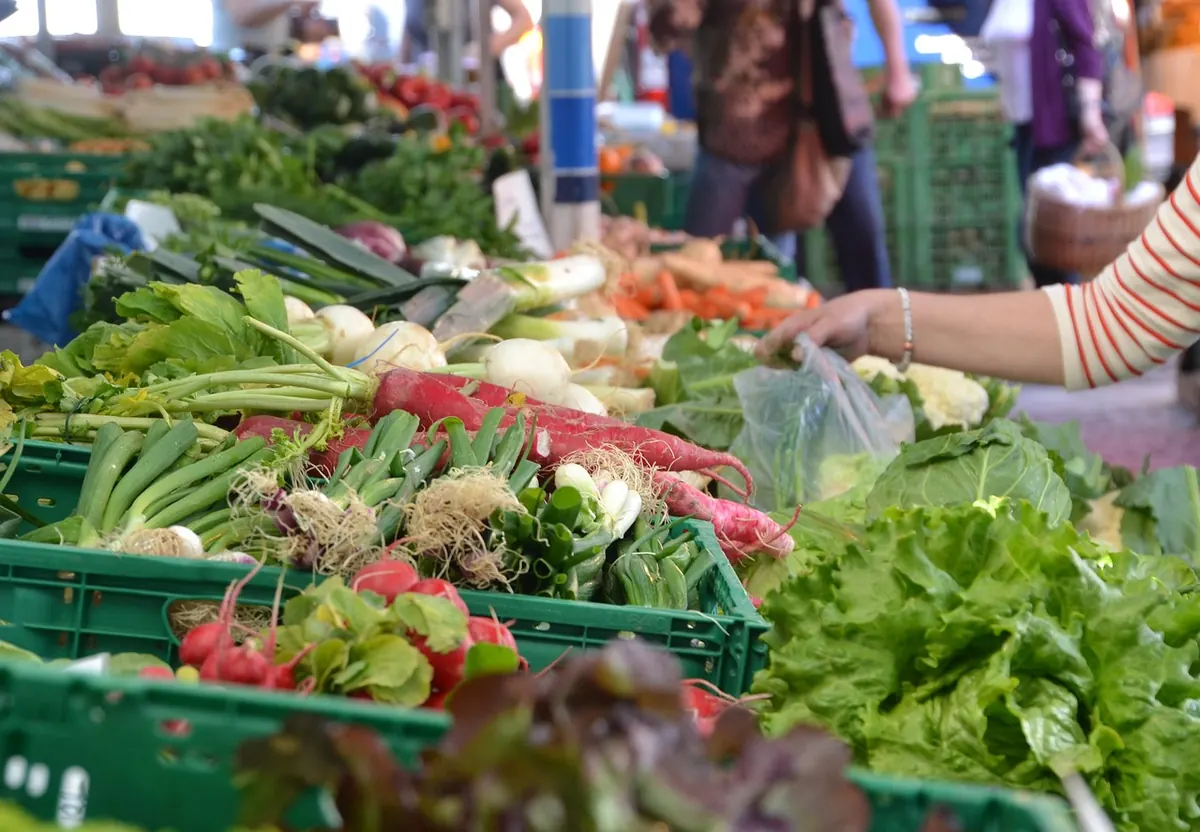
A greengrocer's board in February and one in August could belong to two different countries. That is the pleasure of eating with the year: food that ripened outdoors, picked somewhere near the point where it tastes of something, and cheaper because there is plenty of it about. What follows is the British year as it actually unfolds — what is at its best, when it peaks, and where the value sits. Use it as a map rather than a rulebook. A late spring in Yorkshire and an early one in Cornwall are not the same season, and no two years behave alike.
January to March: roots, brassicas and forced rhubarb
The first months belong to vegetables that sit out the cold or wait in store. Parsnips, swede, celeriac, carrots, leeks, Jerusalem artichokes, red cabbage and kale are at their most useful now, and they are cheap for the simple reason that they keep well and arrive in quantity. Parsnips dug after a frost taste noticeably sweeter, and sprouts gain from the same treatment; if you have only ever found them bitter, a cold snap and a shorter cooking time will change your mind.
The treat of the season is forced rhubarb, grown in darkened sheds in West Yorkshire and harvested from January into March. The stems are slender, startlingly pink and far more delicate than the tough outdoor stuff that follows later. Roast it with a little orange zest and sugar for fifteen minutes and then stop — it collapses quickly.
Purple sprouting broccoli starts arriving in late February and runs into April. Choose spears with tight, deep-purple heads and firm stems. If the flowers have opened yellow, it is past its best.
April to June: the hungry gap and the green rush
April and early May are the hungry gap, the weeks when winter stores have run down and the new season has not yet filled the shelves. It is a lean stretch, but not an empty one. Purple sprouting broccoli is still going, spring greens and spinach are tender, watercress is peppery and plentiful, and wild garlic carpets woodland across much of the country. Pick a few leaves for soup, pesto or folded through butter.
Then asparagus. The British season is short, roughly late April to the traditional cut-off of 21 June, and it is worth clearing space in the week for it. Look for firm stems with tight tips; thin spears need no peeling, thick ones benefit from a trim at the base. Cook it briefly and eat it with salt and butter.
June brings strawberries, broad beans, the first garden peas and new potatoes. Elderflowers appear around the same time. Steep the heads in syrup for cordial, and don't rinse away the pollen — that is where the flavour lives.
July and August: berries, beans and the great glut
July is the month the year pays you back. Cherries, gooseberries, blackcurrants and raspberries land at once, alongside runner beans, courgettes and the first decent tomatoes. Gooseberries are worth buying in quantity: topped and tailed, they freeze well and make the sharpest, best crumble of the year.
August is the glut. Outdoor tomatoes taste of more than the January ones ever will — buy them by the box when they are deepest red and smell of the vine. Sweetcorn is sweetest the day it is picked, because the sugars begin turning to starch almost immediately; if you can buy it from a farm stand, cook it that evening. Plums, greengages, damsons and blackberries follow, with aubergines and peppers at their peak.
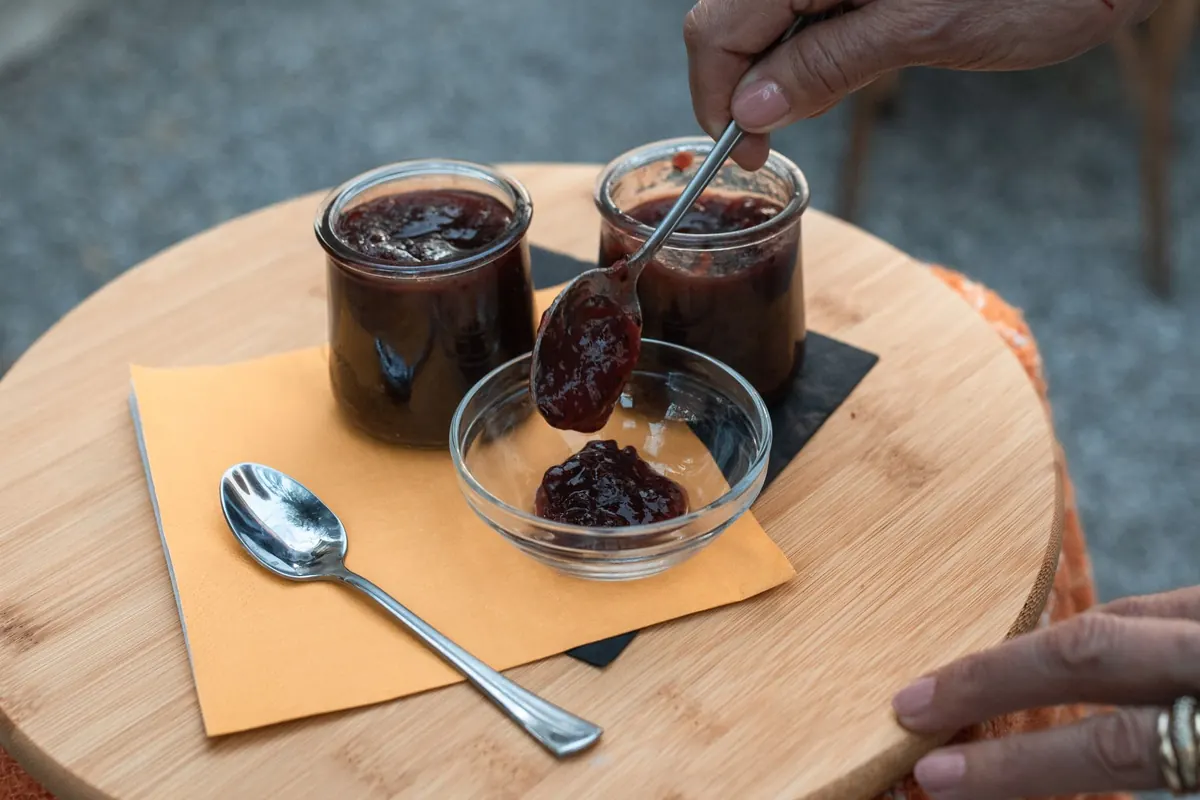
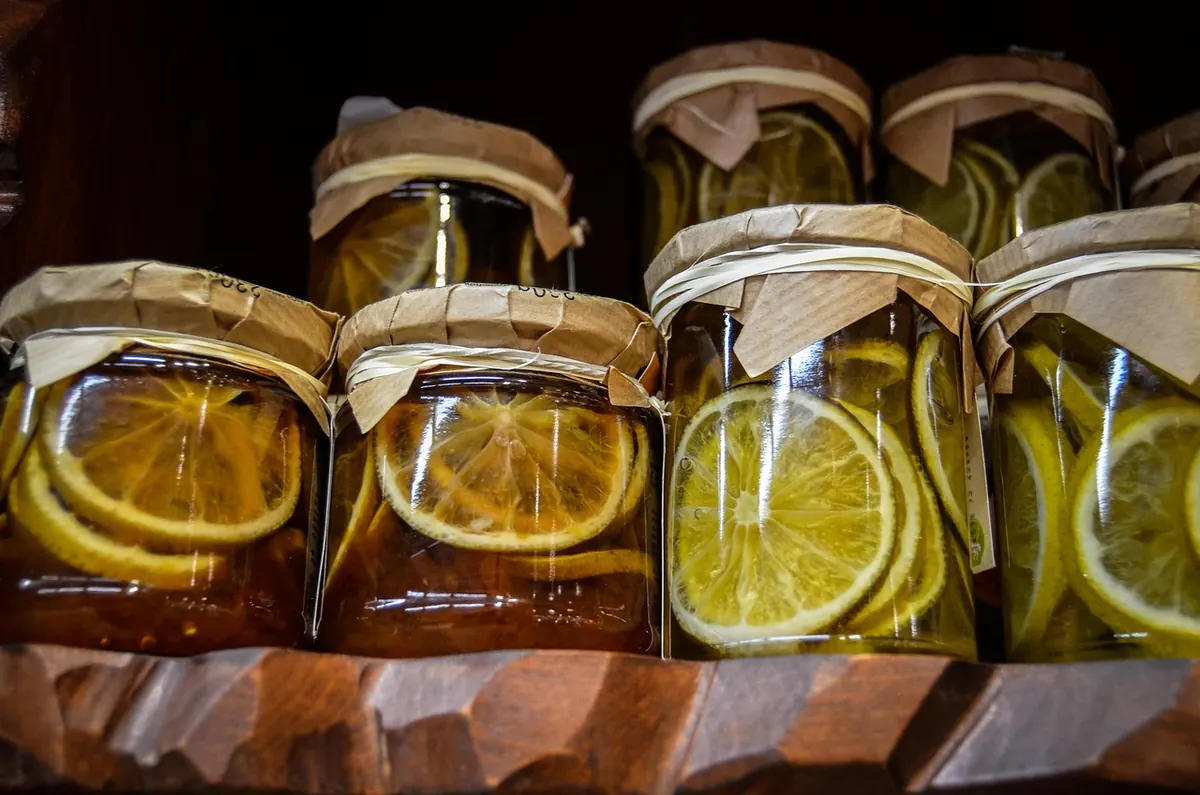
This is the month to think beyond the next meal. Half a day spent making jam, chutney or tomato sauce pays you back in January.
September and October: the harvest months
Apples and pears take over. Early varieties such as Discovery are best eaten straight from the tree, while Cox and the russets keep for weeks in a cool, dark place — check them regularly and lift out any that bruise. Damsons, cobnuts, quince, beetroot, squash and maincrop potatoes arrive together, and onions and garlic come in from the fields. Squash will sit happily on a shelf for months, so buy more than you need.
Mushrooms deserve a word of caution. Field mushrooms and a few easily identified species are a genuine pleasure, but foraging rewards knowledge and punishes optimism. If you are not certain of an identification, buy from a greengrocer or market instead.
November and December: hardy greens and the Christmas shop
The last months are about greens that improve in cold weather and roots that keep. Kale, cavolo nero, winter cabbage and leeks are all better after a frost, and celeriac, parsnips and Jerusalem artichokes make soups and roasts that suit dark evenings. Chestnuts appear on stalls; look for heavy, glossy nuts and use them within a week or so.
For Christmas, buy sprouts on the stalk if you can. They keep far better than loose ones, and the stalk tells you how fresh they are — tight green buttons, no yellowing. Buy parsnips and carrots close to the day you plan to cook them, since long storage at home makes them limp and woody. You may see the first forced rhubarb in late December, but January is the surer bet.
How to buy well, whatever the month
- Ask what is British and in season first, then decide what to cook. A good greengrocer will tell you what has just come in and what is nearly finished.
- Buy the glut, not the single portion. When something is plentiful and cheap, buy twice as much and freeze, preserve or share it.
- Judge the whole box, not the top layer. Weigh a few items in your hand — heavier usually means better eating.
- Favour smaller specimens. Small courgettes, cucumbers, beetroot and aubergines tend to be sweeter and less watery than the oversized ones.
- Trust your nose over the calendar. A punnet of strawberries that smells of nothing will not improve at home.
- Accept the hungry gap. If there is little local produce in April, that is honest rather than a failing.
Making the calendar work for you
Seasonal eating gets easier when you stop trying to memorise it. Keep a note on your phone with one line a week: what you bought, what you cooked, what was worth buying again. Within a couple of years the year starts to organise itself, and you will know without checking that asparagus means late April and that September is the moment to buy apples by the bag.
Learn three or four recipes per season well enough to cook without a book — asparagus with butter and wild garlic soup in spring, tomato salad and gooseberry crumble in summer, roast squash and apple cake in autumn, leek and potato soup and braised red cabbage in winter. That small repertoire does more for your cooking than any number of new dishes.
One last thing: if you plan to preserve a surplus, follow a tested recipe rather than improvising. Acidity, sugar levels and processing times are what keep jam, chutney and bottled fruit safe to eat months later.
Photo: Innviertlerin / Pixabay