Common Sourdough Mistakes Beginners Make and How to Fix Them
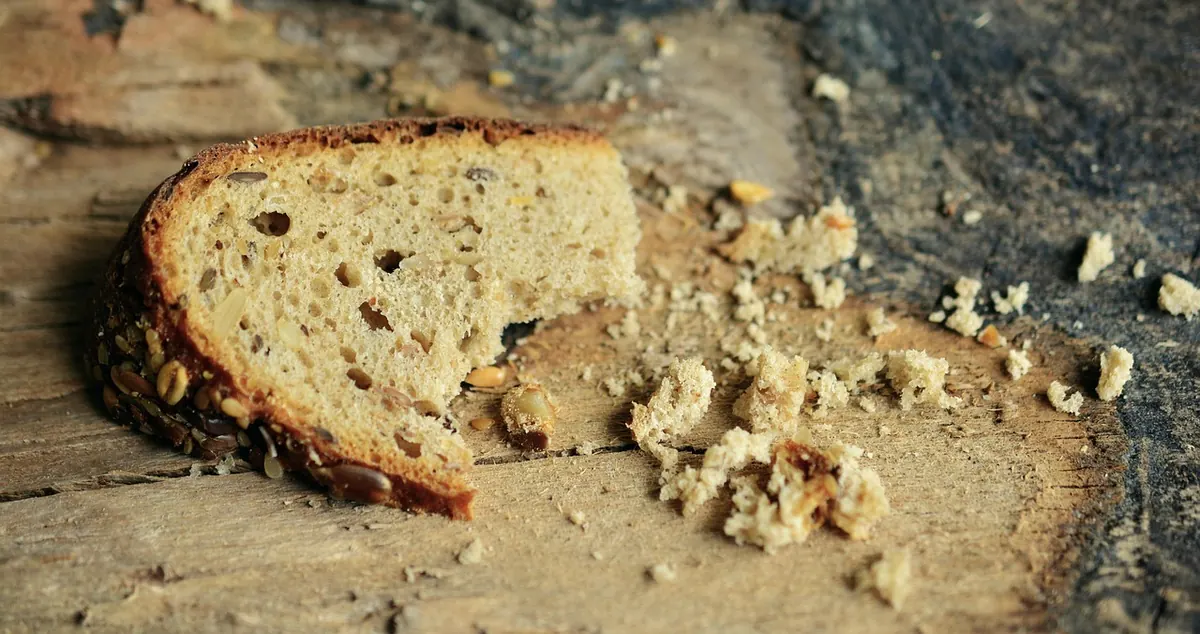
Few things in a home kitchen feel as good as pulling a dark, crackling sourdough loaf from the oven. Few things feel as bad as cutting into it twenty minutes later and finding a dense, doughy brick. If that sounds familiar, you are in good company — and the fix is usually less mysterious than it feels.
Sourdough is a living process, so every mistake leaves a clue. Flat loaves, gummy crumbs and weak oven spring are rarely bad luck. They come from a handful of habits that are easy to correct once you know what to look for.
Diagnose Before You Change Anything
Resist the urge to change five things at once. Match the symptom to the most likely cause, then adjust a single variable on your next bake.
- Loaf spread sideways in the oven: dough was over-proofed, under-shaped, or both.
- Dense crumb with small, tight holes: bulk fermentation finished too early.
- Light, airy crumb that still tastes raw and sticky: underbaked, or sliced while hot.
- Almost no rise: the starter was weak or past its peak.
- Pale crust, no oven spring: the oven or the baking stone was not hot enough.
One useful rule of thumb: gummy and dense points to under-fermentation, while gummy but open and airy points to underbaking or an impatient slice.
Flat Loaves: The Over-Proofing Trap
Bulk fermentation is where most beginner loaves are won or lost. Recipes say "until doubled," but sourdough dough is often ready at 30 to 50 percent rise, especially in a warm kitchen. Wait for a full double and the gluten has already begun to break down. The dough feels slack, sticky and pourable, and no amount of shaping will convince it to stand tall.
Watch the dough rather than the clock. You are looking for a domed top, visible bubbles at the edges, a slight sour tang, and a jiggle when you shake the bowl. Poke it with a wet finger: the dent should spring back slowly and only partly. Snap back instantly and it needs more time; the dent stays put and the dough smells sharply of acetone and it has gone too far.
If you catch an over-proofed dough, you have options. Reshape it firmly, place it in the fridge to firm up, and bake it cool. Or spread it into an oiled tray with olives and rosemary and call it focaccia. Nothing is wasted.
Weak Rise: Your Starter May Be Tired
A weak starter produces weak bread, no matter how careful the rest of your process is. Before blaming your flour or your shaping, run a simple check: mix 10g of starter with 50g flour and 50g water, keep it at around 24–26°C, and see what happens. A healthy starter will at least double within four to six hours, dome slightly, and smell pleasantly sour and yeasty.
Three starter habits worth fixing
- Feed by weight, not by eye. A kitchen scale removes the guesswork from ratios.
- Use it at its peak. Starter that has risen and collapsed has already spent its energy.
- Warm it up first. Cold starter straight from the fridge needs a feed and a few hours at room temperature before it can leaven a dough.
If your starter takes twelve hours to show any movement, feed it twice a day at room temperature for three to five days. Add a spoonful of wholemeal or rye flour to the mix; the extra nutrients and enzymes perk up a sluggish culture fast. Also check your water — heavily chlorinated tap water slows fermentation, and water hot enough to feel uncomfortable on your wrist will knock the yeast back.
Gummy Crumb: Bake Hotter, Longer, and Wait
Underbaked sourdough is a common heartbreak. Bread needs sustained heat to set its structure, not just a browned crust. A Dutch oven at 230–250°C, lid on for the first 20 minutes to trap steam, then 20 to 25 minutes uncovered, gives most loaves what they need. If you use a thermometer, aim for an internal temperature of about 96–99°C.
Then comes the hard part: leave it alone. A loaf needs two to three hours on a wire rack before slicing. Cut it warm and the steam that is still moving through the crumb redistributes, leaving pockets that feel raw and gluey even though the bread is technically baked. The crumb firms up considerably as it cools.
Hydration matters here too. An 80 percent hydration dough made with a soft, weak flour is difficult for an experienced baker, let alone a beginner. Somewhere between 65 and 75 percent is a comfortable range while you are learning what well-developed dough feels like.
Shaping: Where Structure Is Won
Shaping is not just cosmetic. Every fold and drag builds tension across the surface, and that tension is what holds the dough up in the oven. A slack, hastily shaped loaf will always spread.
- Turn the dough out gently and preshape into a loose round. Let it rest 20 to 30 minutes, covered.
- Flour the bench lightly, then shape with deliberate movement — pulling the dough towards you and rotating, building a taut skin.
- Place seam-side up in a floured banneton, dusting with rice flour if you have it to prevent sticking.
- Retard overnight in the fridge for 8 to 16 hours. Cold dough holds its shape, scores cleanly and develops better flavour.
Handle the dough with confidence but not force. You want to preserve the gas you spent hours creating, not squeeze it out.
Temperature and Notes: The Quiet Variables
Two bakers can follow the same recipe and get completely different loaves because their kitchens sit at different temperatures. Dough at 24–26°C ferments predictably; dough at 30°C races ahead and catches people out. Use lukewarm water in a cold kitchen and cooler water in a hot one. And write things down — the room temperature, the dough temperature, how long the bulk took, how the crumb turned out. Three bakes of notes will teach you more than a dozen new recipes.
Your Next Bake: One Change at a Time
Pick a single recipe and bake it three times in two weeks without changing a thing, apart from one variable per bake. Maybe you shorten the bulk by an hour. Maybe you bake ten minutes longer. Maybe you let the loaf cool properly for once. Keep the loaves small if you want to practise more often; a 700g loaf is easier to handle than a 1.2kg one and bakes more evenly in a home oven.
Expect the occasional brick. Slice it thin, toast it hard, and turn it into croutons — a mediocre loaf still makes excellent breadcrumbs. Sourdough rewards patience and repetition more than talent, and the loaf that finally rises the way you hoped will taste all the better for the ones that did not.
Photo: congerdesign / Pixabay